
Design Explorations: Low Poly Biomorphism
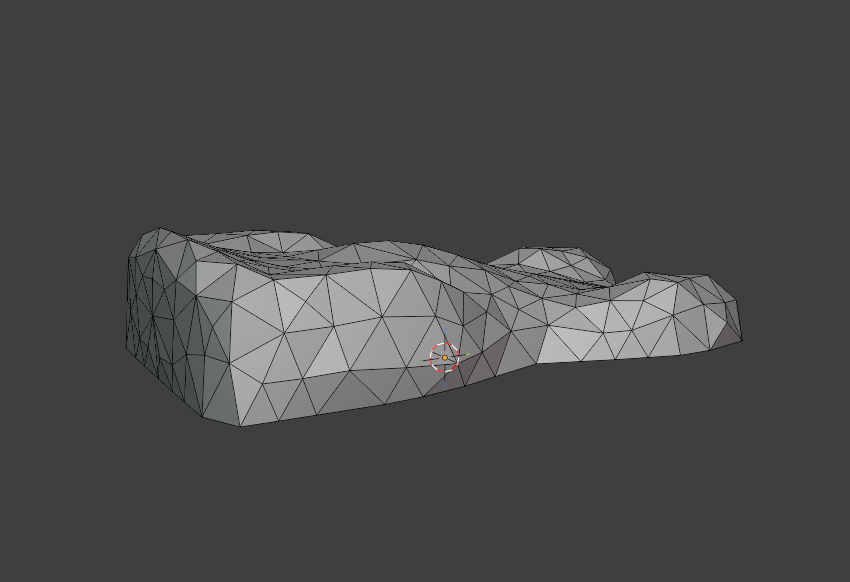
There’s something magical that happens when you combine two seemingly opposite design philosophies. On one side, you have biomorphic design—those flowing, organic shapes inspired by nature that feel alive and breathing. On the other, the angular precision of low-polygon 3D modeling, born from the constraints of early computer graphics. What happens when these worlds collide?
Standing on the Shoulders of Giants
Any exploration of biomorphic design owes a debt to Luigi Colani, the German industrial designer who spent decades championing organic forms in a world obsessed with straight lines and right angles. Colani’s philosophy was simple but radical: nature doesn’t use straight lines, so why should we?
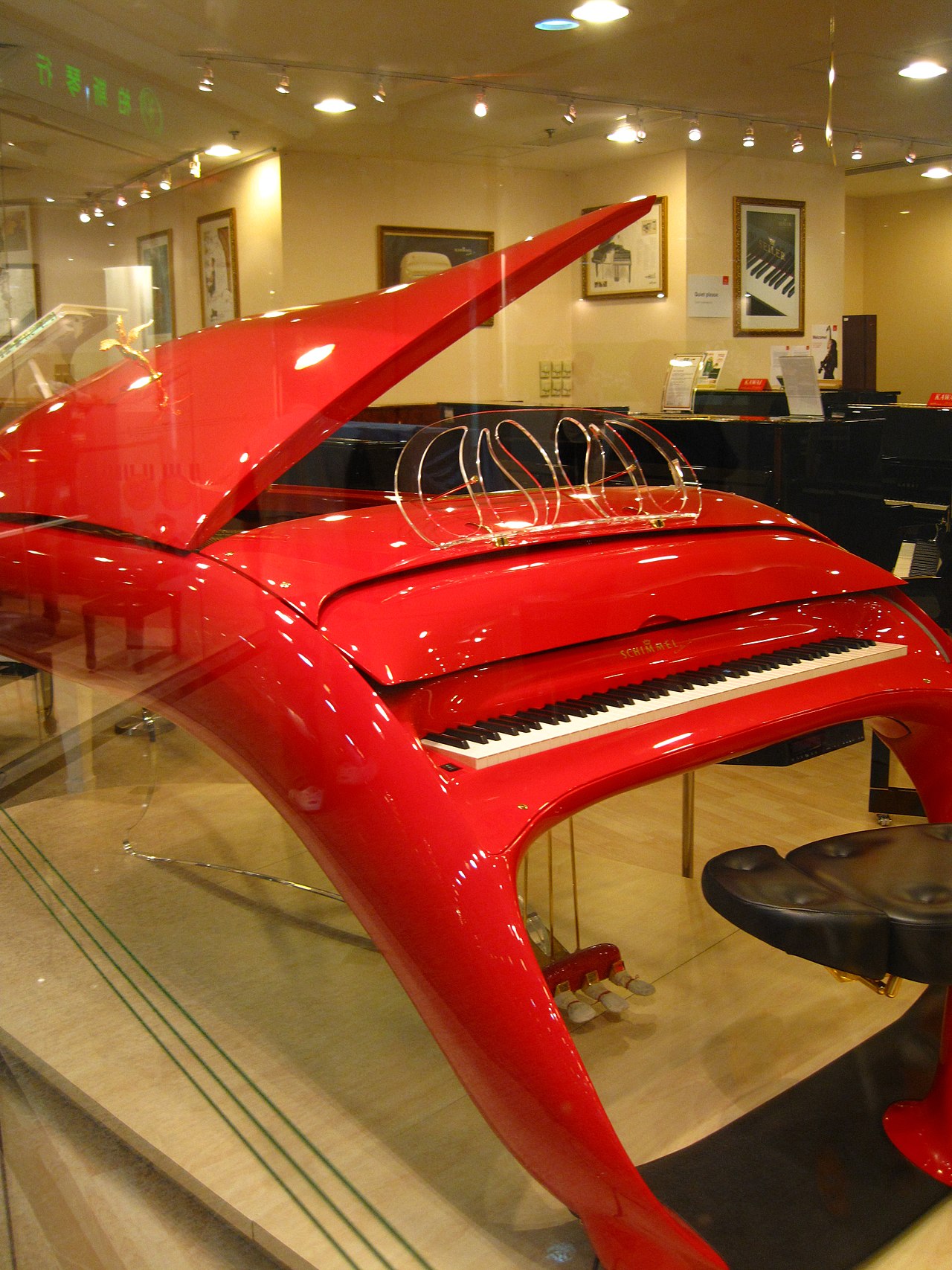 The Schimmel Pegasus piano, one of Colani’s most striking designs. Photo: Wikimedia Commons, CC BY-SA.
From cars to cameras, furniture to aircraft, Colani brought flowing, aerodynamic curves to everything he touched. His work demonstrated that biomorphism wasn’t just an aesthetic choice—it was often functionally superior, more ergonomic, more efficient. He called it “biodesign,” and it influenced generations of designers who followed.
Low Poly Biomorphism takes Colani’s organic sensibility and runs it through a different filter. Where he sought smooth, continuous curves, this approach embraces faceted surfaces. But the underlying philosophy remains: let nature guide the form.
The Birth of Low Poly Biomorphism
Low Poly Biomorphism is a design language I’ve been developing that embraces this tension. It takes the warmth and approachability of organic forms—the curves of a shell, the flow of a wave, the posture of a creature at rest—and interprets them through faceted, geometric surfaces.
The result is something that feels both digital and natural, modern yet timeless. Each facet catches light differently, creating dynamic surfaces that shift and change as you move around them. Yet the underlying forms remain unmistakably organic, evoking the same emotional response as their smooth-curved inspirations.
Why Low Poly?
There’s a practical reason low-poly aesthetics emerged in the first place: rendering constraints. Early 3D artists had to tell stories with limited polygons, and that limitation bred creativity. Every face had to count. Every edge had to contribute.
But beyond practicality, there’s something deeply appealing about this aesthetic. Low-poly forms have a clarity to them—a boldness that smooth surfaces sometimes lack. They’re honest about their construction. You can see how they’re built, trace the logic of their geometry.
When applied to biomorphic shapes, this clarity creates an interesting dialogue. The organic form wants to flow; the faceted surface wants to define. The tension between these impulses is where the magic lives.
The Dontosaur Line
The first products exploring this design language are the Dontosaurs—friendly brontosaurus-shaped toothbrush head holders designed for kids.
The name is a playful nod to the Greek root “odont” (tooth, as in orthodontist)—so it’s literally a “tooth dinosaur.” Each Dontosaur holds a single electric toothbrush head (Oral-B® or Sonicare® compatible), giving kids a reason to actually want to brush their teeth. Their toothbrush gets its own pet dinosaur.
The design embodies Low Poly Biomorphism perfectly: the gentle, approachable silhouette of a brontosaurus—long neck, rounded body, friendly posture—rendered in faceted, geometric surfaces. The low-poly aesthetic gives each piece a modern, almost crystalline quality while the underlying form remains unmistakably organic and kid-friendly.
At just 4” tall, these compact bathroom companions are 3D printed in PLA plastic with a textured surface that’s easy for little hands to grip. Available in Jade Green and Passion Purple, they bring a touch of playful design to the daily brushing routine. Browse the full Dontosaur collection →
Looking Ahead
As we head into 2026, Low Poly Biomorphism will continue to evolve. The Dontosaurs are just the beginning—a proof of concept that this design language has legs (sometimes four of them).
The goal isn’t to create a rigid style guide, but to explore a space and see what emerges when organic inspiration meets geometric interpretation.
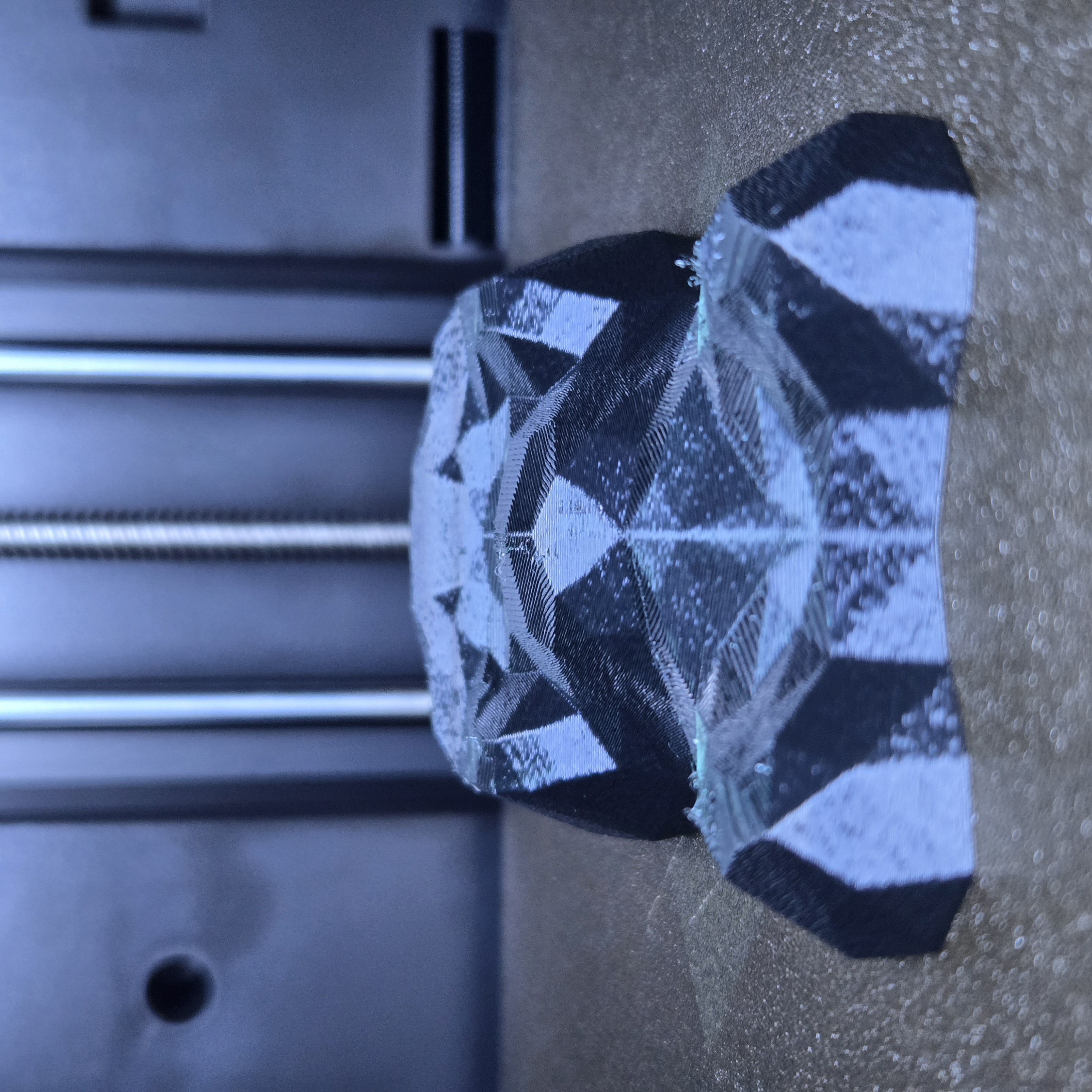 An experimental print: a low-poly take on Colani’s iconic Red Car concept.